
Author: Colin St John, Group Chairman

Procrastination isn’t a lack of discipline. It’s a predictable human response to uncertainty, shame, complexity and fear of getting it wrong.
In workplaces, it shows up as stress, distraction and delayed decisions.
In households, it quietly compounds into long‑term financial vulnerability.
And for many of us, it’s not a phase, it’s a lifelong pattern. We’ve all procrastinated about money, for some our whole lifes. The reason changes as the years rolled by, but the habit stayed. For me.
In my 20s: I dodged around because I didn’t have a lot of money.
Every envelope that dropped through the letterbox filled me with dread, and I developed a phobia towards brown envelopes. Each letter felt like a bill I’d struggle to pay and just further proof that I was falling behind.
So I played for time, thanked grateful Postdated Cheques and Second Class Post.
The cost, although unseen, silent and hidden was lost compounding.
Every year I “waited until I felt i had enough”, I lost the growth that I could’ve had each year.
£100/month delayed at 25 isn’t £1,200 lost. It’s £10k+ less at retirement.
In April 2026, 34% of UK adults reported they were struggling to keep up with bills, and 29% said they were borrowing just to cover essentials. When money feels scarce, avoidance becomes a coping mechanism.
In my 40s: I dodged because I was “too busy”.
Meetings, work, family, mortgages, life. I told myself “I’ll review the pension next quarter”.
Next quarter became next year.
The cost then was inertia tax.
I stayed on default funds, missed remortgage dates.
I paid loyalty penalties on insurance because switching took “2 hours I didn’t believe I had”.
Companies price in our delay. Not acting became the expensive choice.

UK households carried rising levels of financial and property debt throughout 2025–26, according to ONS household finance data. Inertia isn’t just emotional, it’s structural.
Now, retired: I dodge because I'm worried about getting it wrong. I have the time and the money. But I ask a question and a chatbot throws jargon back. I fill in a form wrong and get "try again" with no help. Humiliation is complete when you realise you are arguing with a chatbot. So I park things and wait.
The cost now is mental load. Unopened letters and unfinished admin don’t disappear. They sit in my head like browser tabs I can’t close. 5 minutes of action becomes 5 months of background anxiety.
In early 2026, over one‑third of UK adults reported high or moderate anxiety about their household finances, driven by complexity, rising costs and uncertainty.
The Real Price Tag of Waiting
Your reason for procrastinating will be different. But the cost is always bigger than we think.
· The compounding tax, delay costs growth, not just contributions.
· The inertia tax, 2026 systems assume you won’t switch.
· The mental load tax, shame, dread and complexity drain the energy needed for real decisions.
For employers, these taxes show up as presenteeism, distraction, reduced productivity and increased financial stress.
For policymakers, they show up as disengagement, under‑saving and late‑stage panic.
Procrastination isn’t personal. It’s structural.
How to Break the Cycle
The 10‑Minute Rule, not two hours. not a full review. Just 10 minutes.
Open one letter. Check one balance. Log into one account. Stop after 10 minutes.
Inertia breaks when you start, not when you finish.
Name the fear, is it shame? Complexity? Fear of looking stupid? Naming it halves its power.
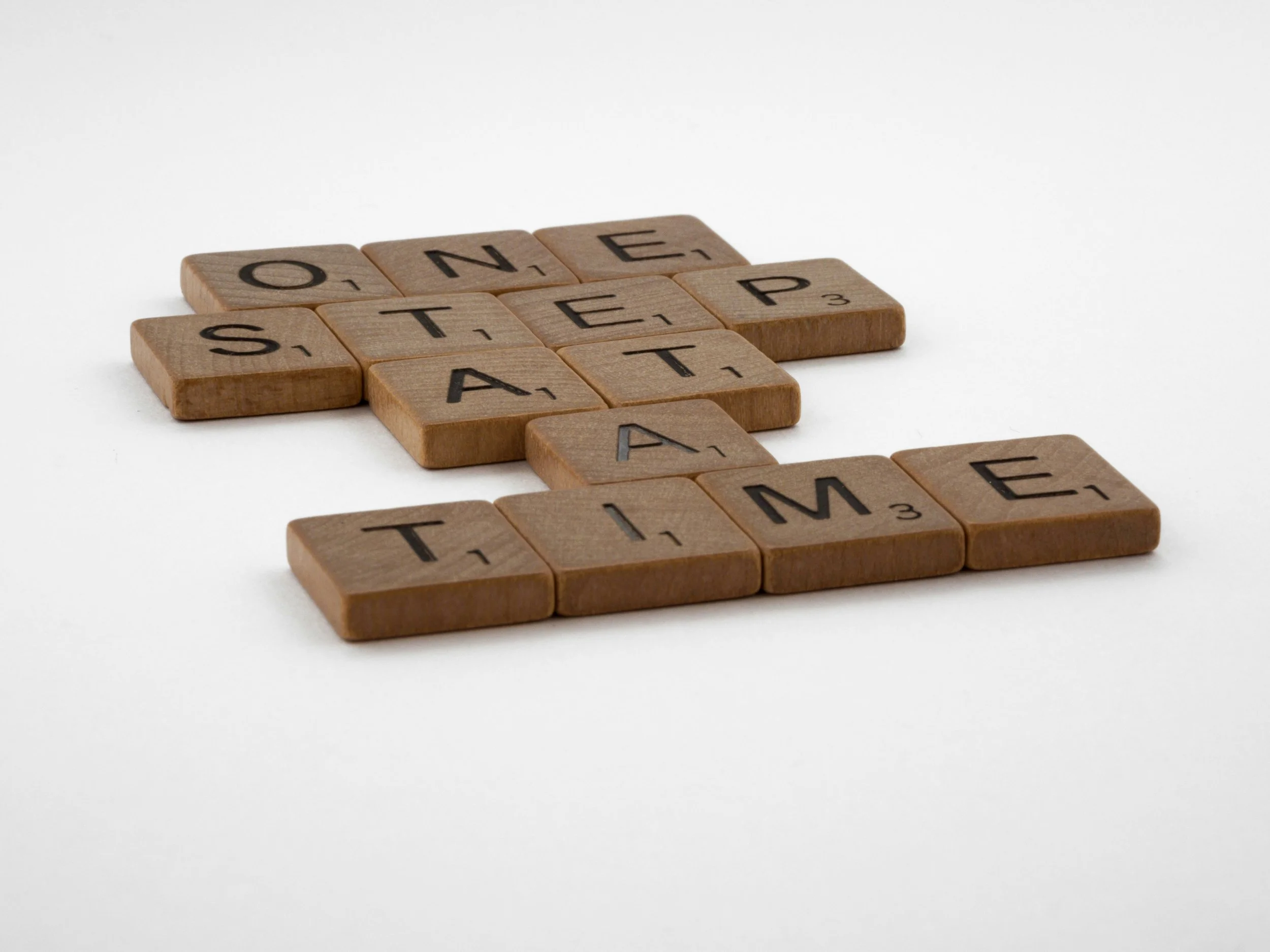
Make the next step easy, turn on auto‑save. Set one alert. Book one reminder for your remortgage date. Design systems so “future you” doesn’t need willpower.
For employers and policymakers
· Reduce friction.
· Simplify choices.
· Use defaults wisely.
· Normalise conversations about money.
· Provide tools that guide, not overwhelm.
People don’t need pressure. They need clarity, design and support.
Three questions to check your own procrastination cost
Don’t take my word for it. Ask yourself:
1. Which stage are you in? Are you avoiding money because there’s none, because there’s no time, or because you’re scared of getting it wrong? Naming the reason is step one to beating it.
2. What’s your most expensive delay? One unopened letter, one default fund, one missed switch. What’s one 10-minute action that would reduce the cost this week?
3. How can you make it easy? What one alert, auto-save, or calendar reminder can you set so “future you” doesn’t need to be brave, just consistent?
It’s not laziness, it’s just being human.
2026 won’t get simpler.
But we can build systems, personally and collectively that expect human behaviour, not perfection. Security isn’t about never delaying. It’s about making delay less expensive.
What’s one 10‑minute money task you’ve been avoiding?
Open it now.
Future you will thank you.